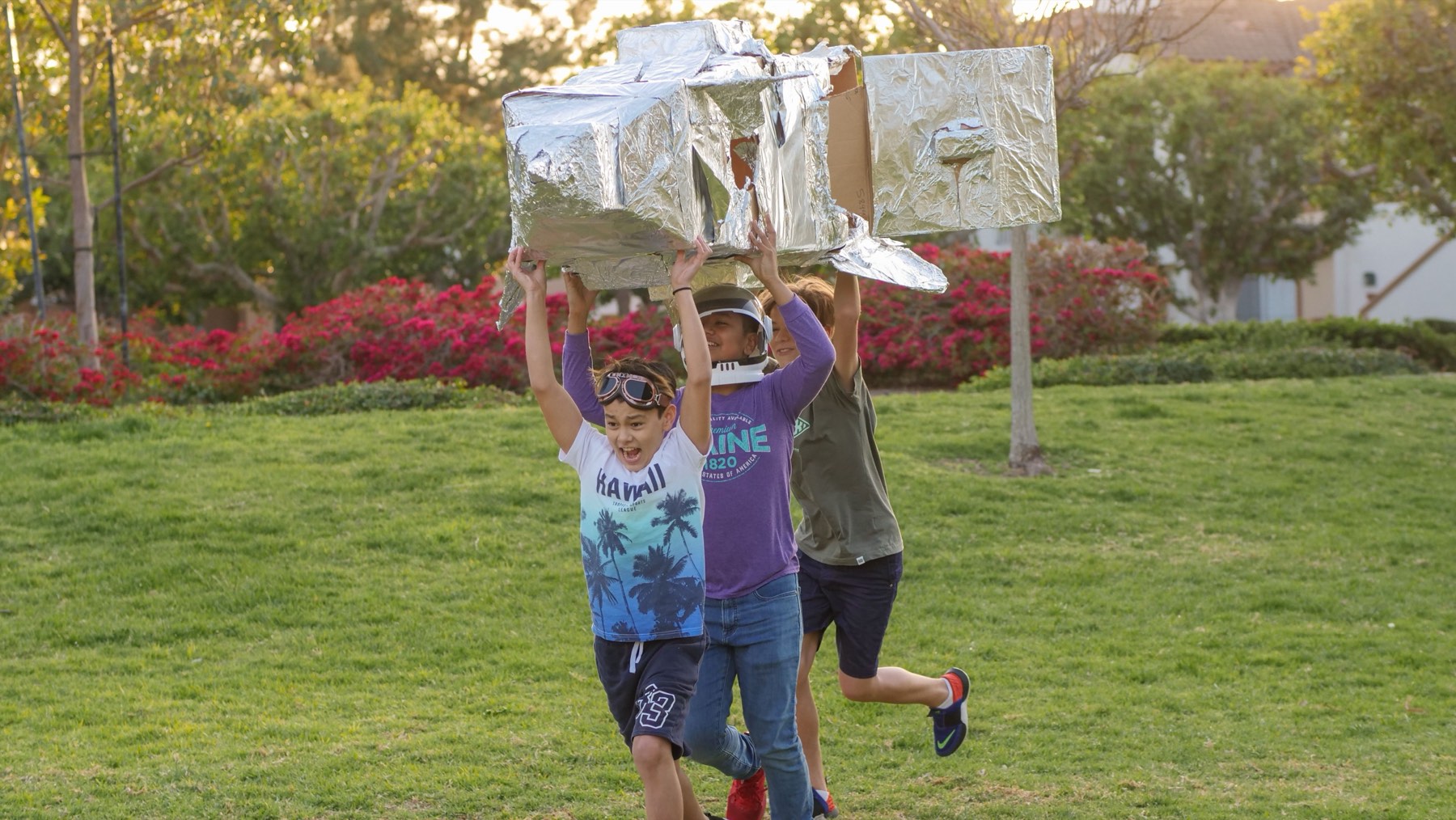
Screens down.
Catapults up.
A week of building enormous things, testing them, breaking them, fixing them, and running around outside in between.
- Ages 6 to 13
- Grouped by age
- One-week sessions
- 8:30 to 4:00
- Small class sizes
- Chicagoland
We want kids to trust themselves to figure things out.
Every summer camp promises fun. We are after something that lasts a little longer than August: the belief a kid earns when they meet a problem they have never seen before and work it out.
Counselors give campers enough help to get somewhere real, then hand more of the thinking back as they get steadier. By Friday, most of the decisions are theirs.
confidence you can hold in your handsChallenges, projects, and a great deal of play.
Every day has all three. It is still summer camp, so the running around matters as much as the building.
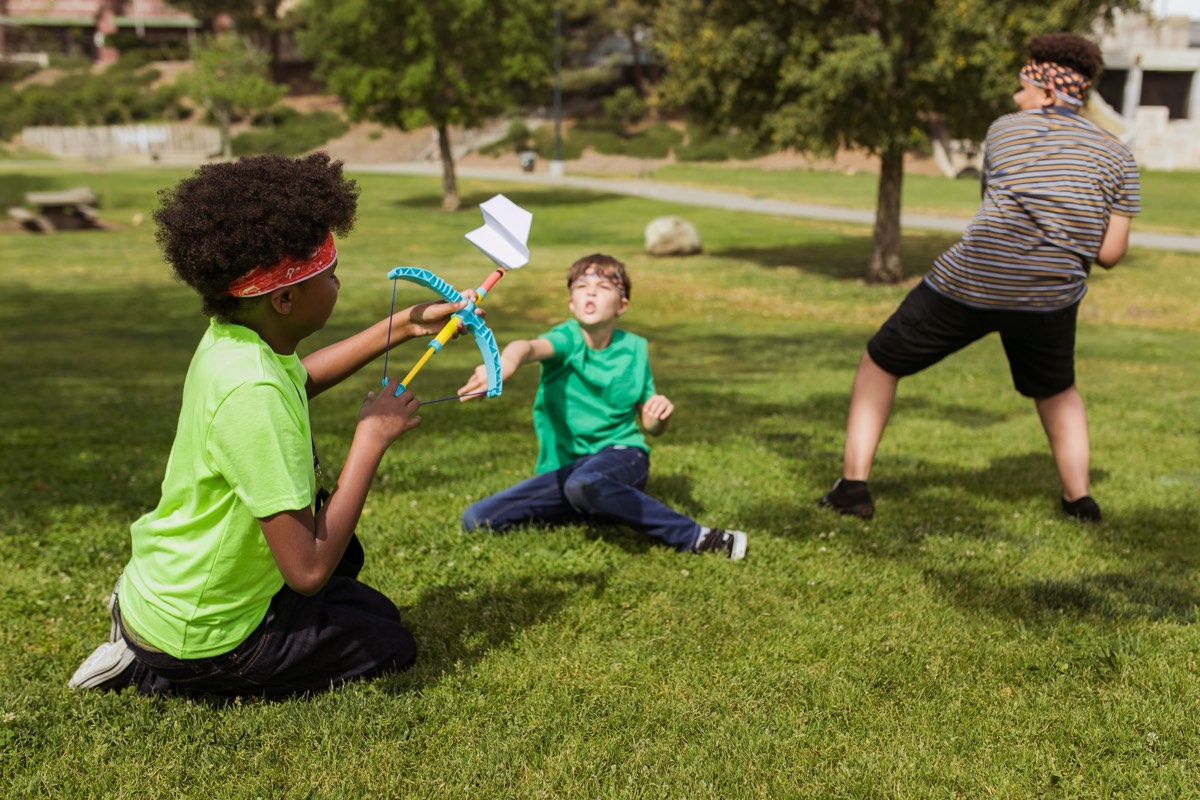
A new problem every morning
Open-ended puzzles with a pile of materials and about ninety minutes, solved in teams. A counselor demonstrates a technique or two, then each team takes it somewhere different and everyone tests at the end.
build a tower that survives a fan on high
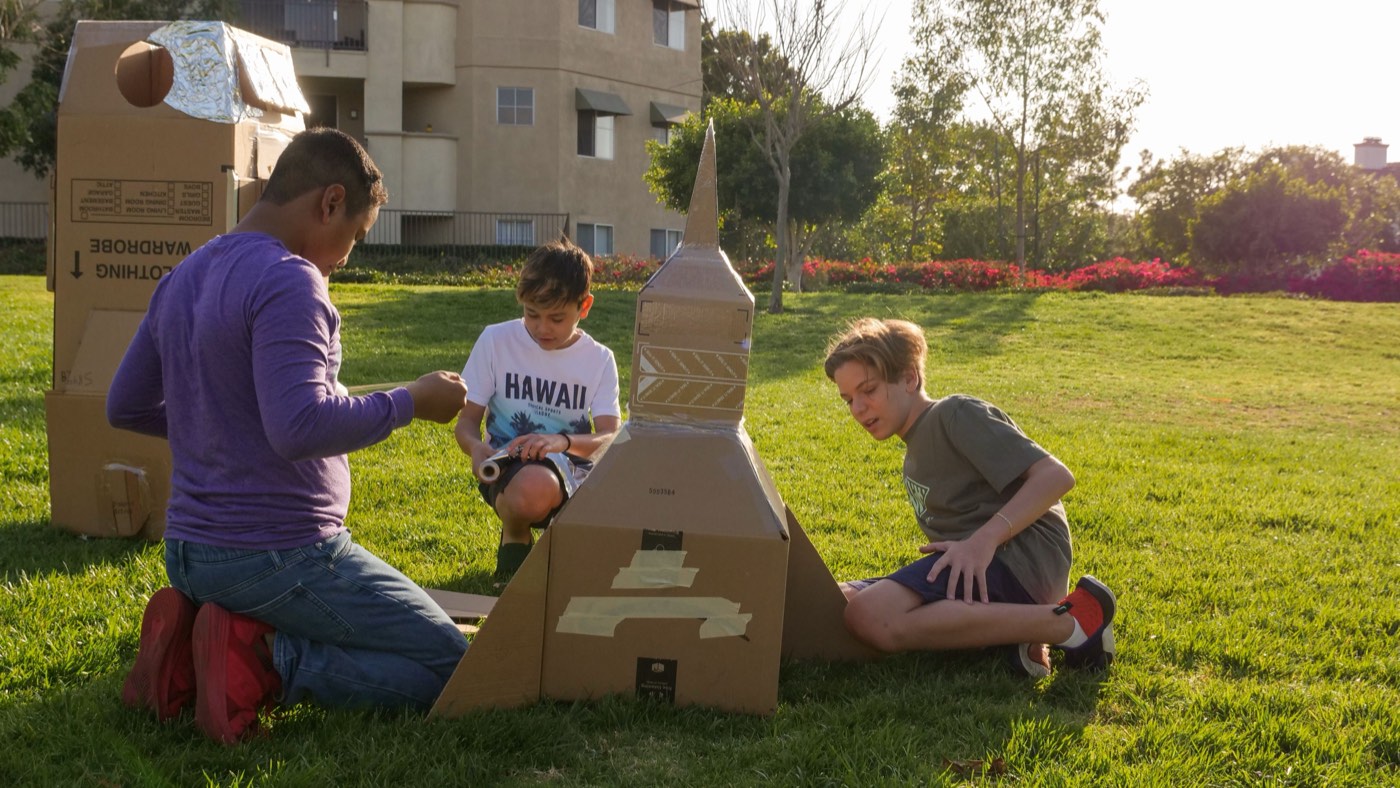
One build they carry all week
Campers choose something to make and keep improving it from Monday to Friday. They get the instruction they need to start, then steadily more of the decisions as the week goes on.
catapults, marble runs, arcade games, gliders
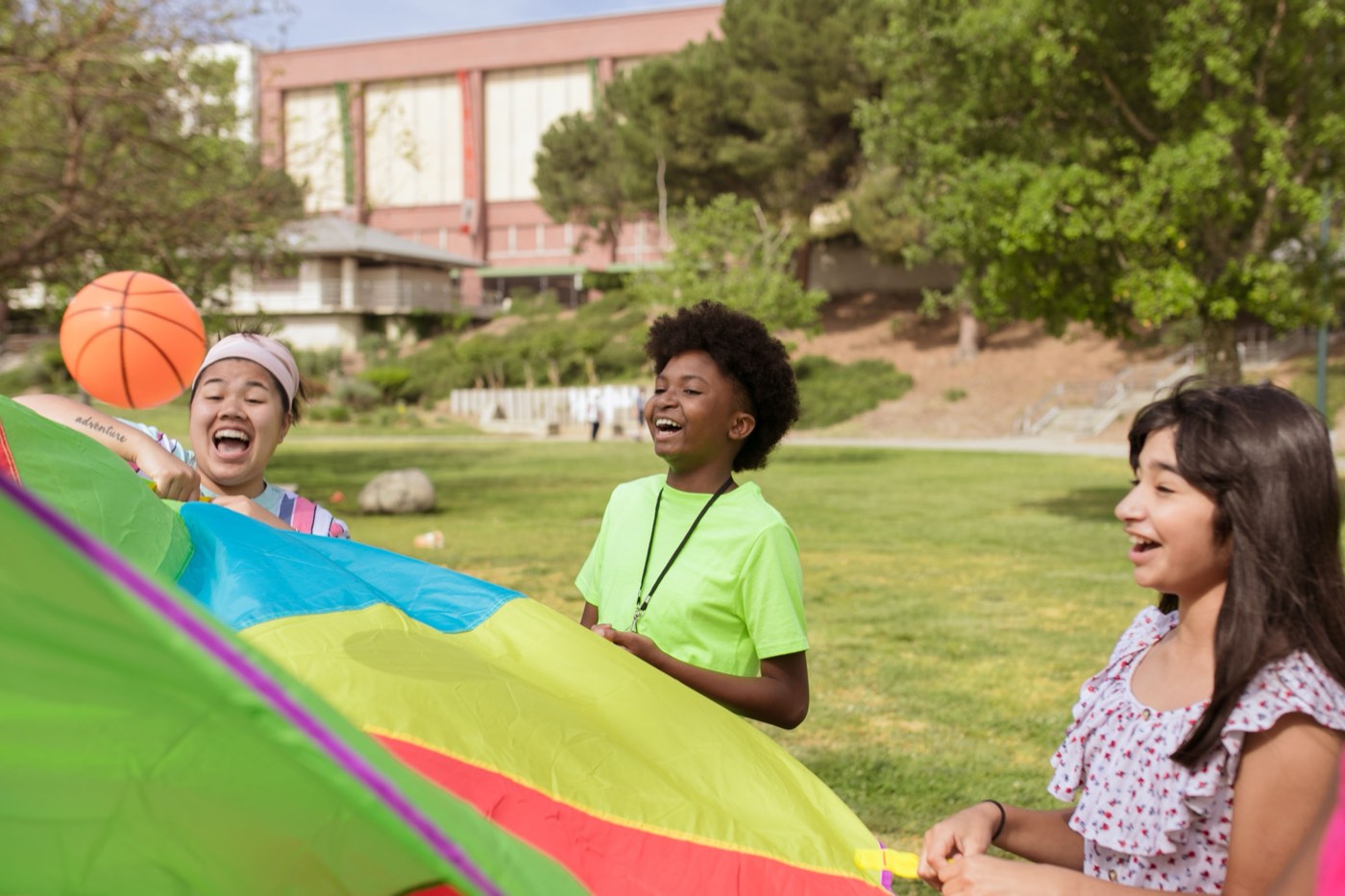
The part they tell you about first
Capture the flag, parachute games, invented games with elaborate and shifting rules, and unstructured time with friends. Half of what makes a summer.
the rules change hourly and that is fine
Every session uses different challenges and different projects, so a second week is not the first week again. See what a week looks like
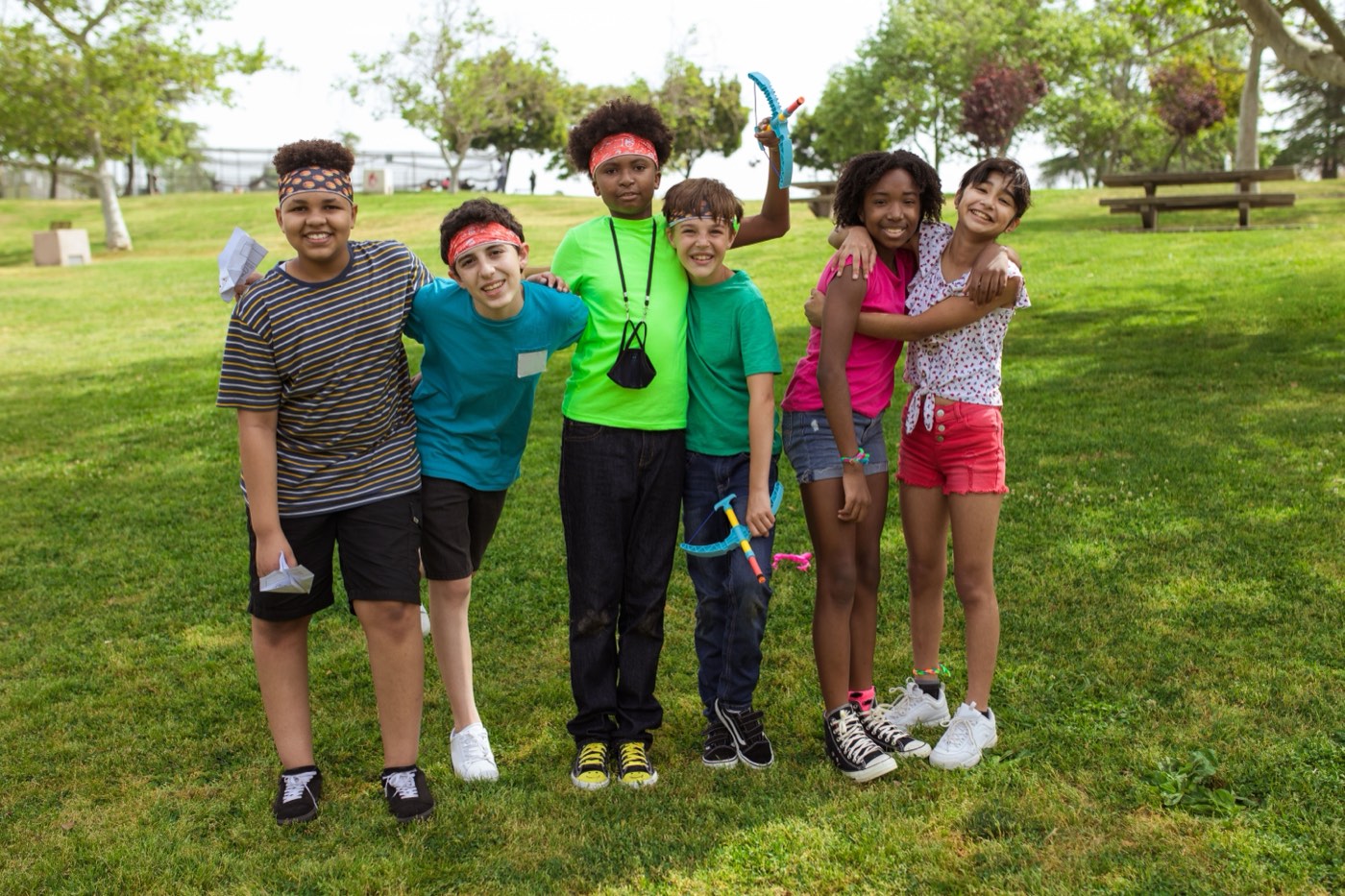
Great camp looks different at six than it does at thirteen.
Catapult is built for ages 6 to 13. Campers are grouped by age, and the balance of structure, independence, challenge, project scope and play changes along with them. Every group builds things they are proud of.
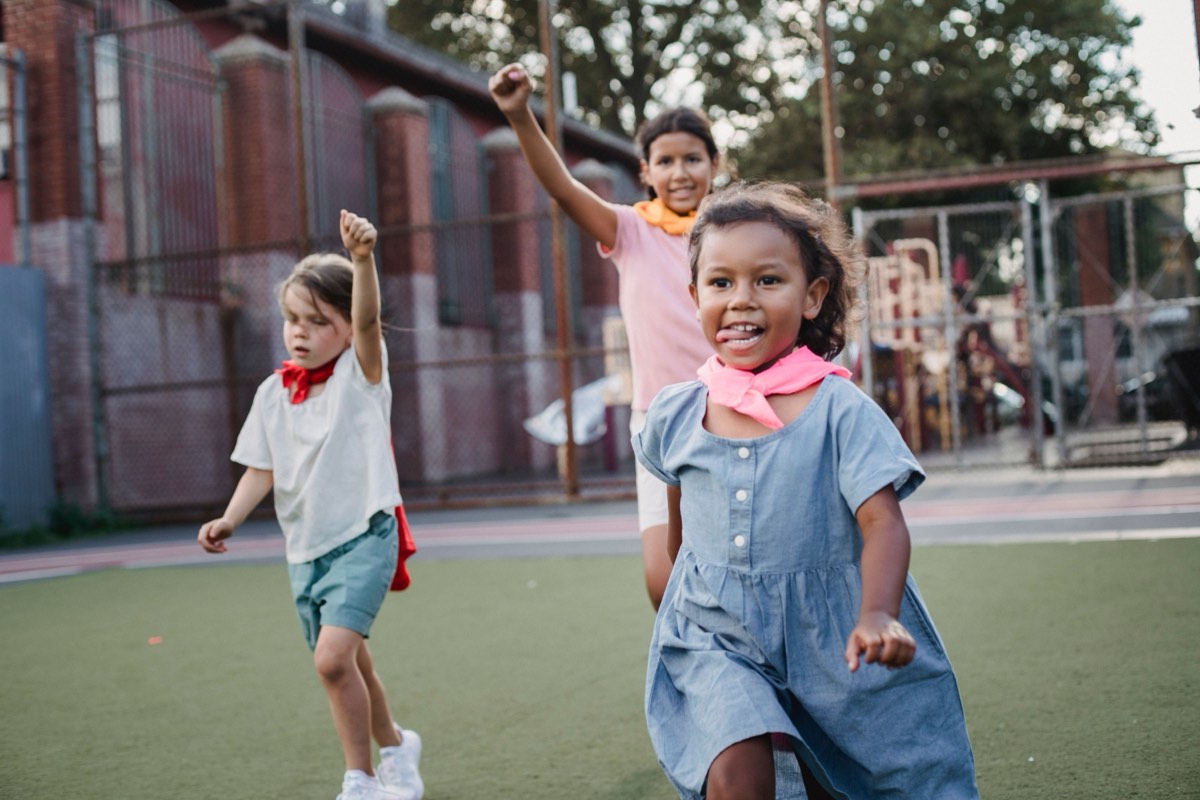
More play, shorter builds
The field is a volcano before lunch and a shipwreck after it. Builds happen in short sessions with chunky materials and lots of games in between, with a counselor working alongside them and extra hands at transitions.
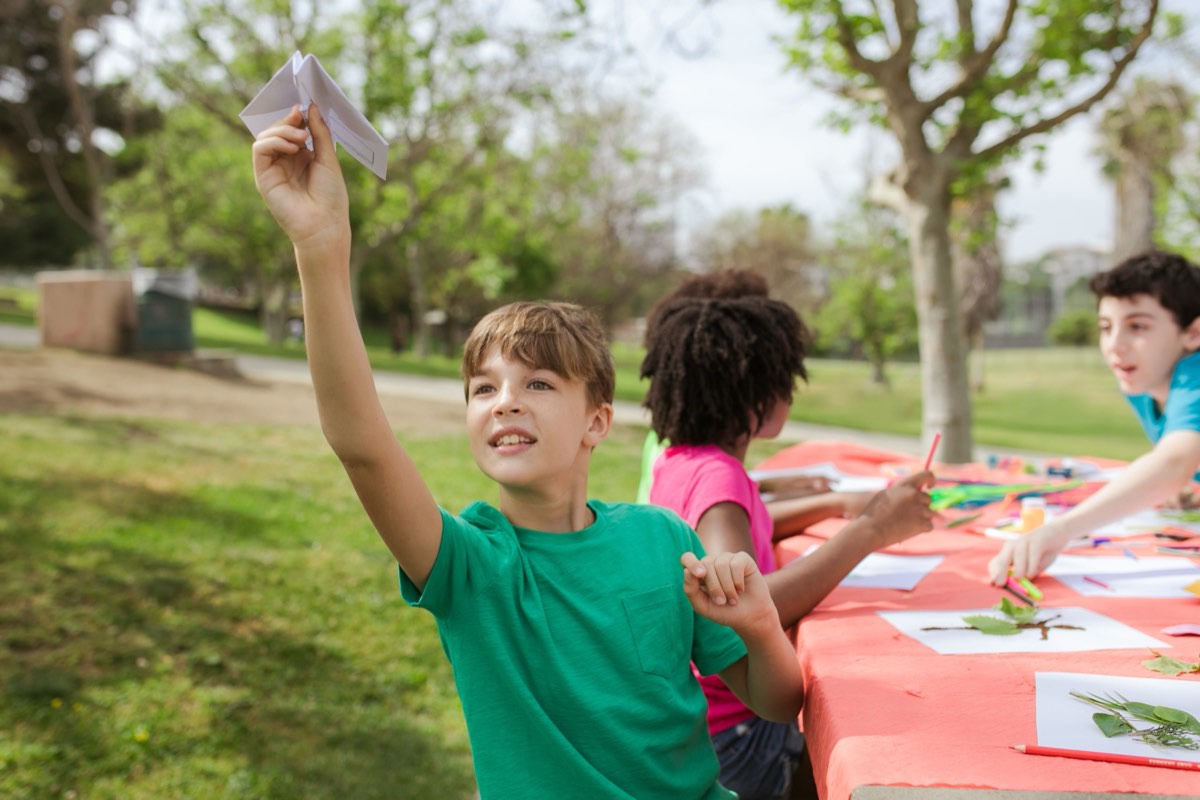
Longer projects, more teamwork
Builds now survive overnight, which means living with yesterday’s decisions. Teams sort out their own roles and counselors start answering questions with questions.
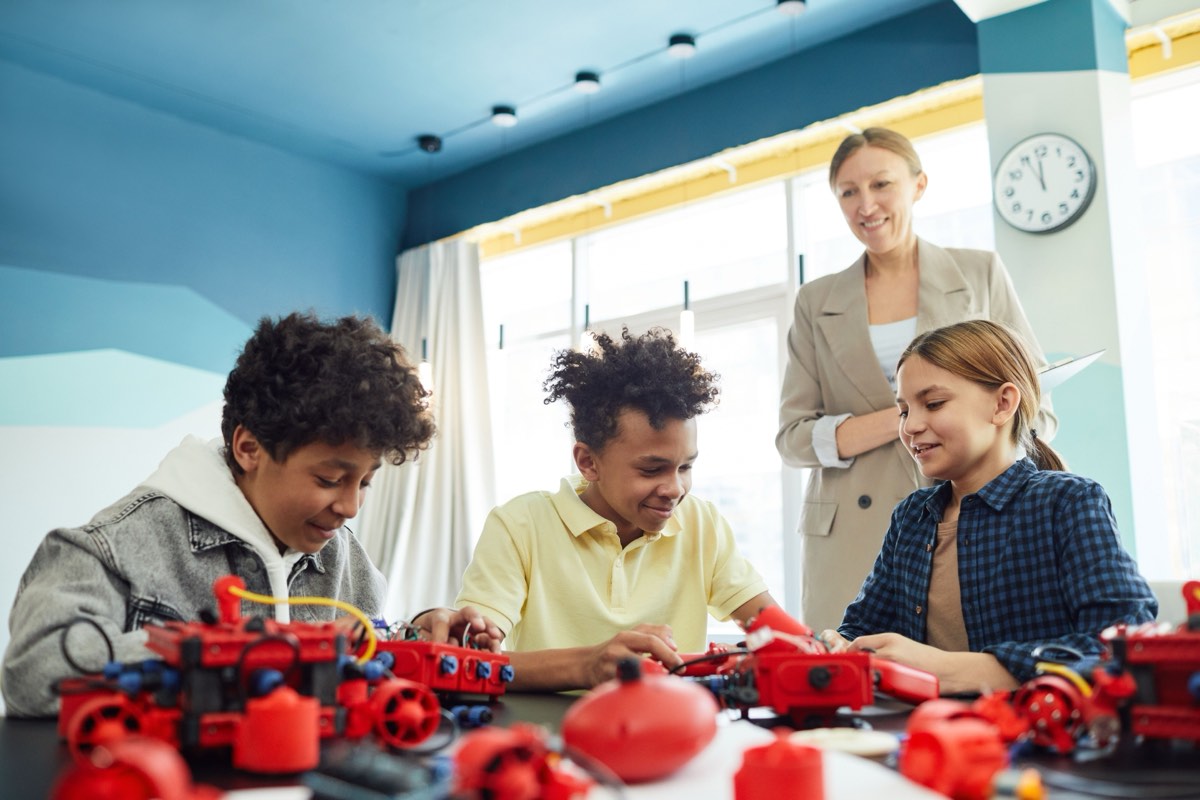
Harder problems, more independence
Harder constraints, better materials, and adults who hang back unless asked. Campers keep a build notebook and explain their design decisions on Friday. Social time is protected rather than squeezed out, because at this age it is the point.
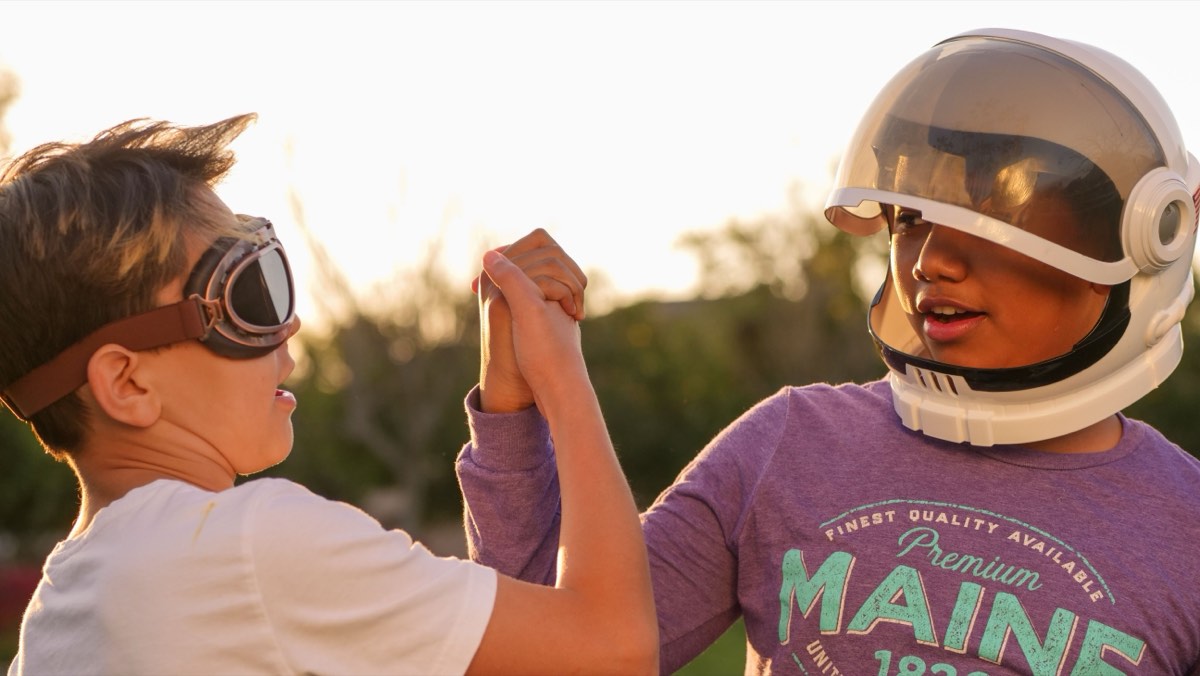
Monday to Friday
What comes home is not really the cardboard machine, although that is coming home too. It is the memory of being stuck, staying with it, and getting themselves unstuck.
Try it. Adjust. Try again.
The loop every camper runs a dozen times a week. Add counterweight until it lands in the bucket.
Pull the lever and see what happens.
There is real research under the cardboard.
Catapult is built on established findings about how children learn: that working through a problem beats watching it explained, that attempting something before being taught deepens understanding, and that guided play, where an adult sets the goal and the child picks the route, works better than either instruction or free play alone.
The unexciting parts, done carefully.
- Small groups, with extra adult support for the youngest campers
- Background-checked staff, extensively trained before campers arrive
- First aid and CPR certified leads at every site
- ID-checked sign-out every day
- Thoughtfully chosen materials. No power tools on site
Bring Catapult to your school this summer.
We run the camp. You provide the space.
Give them a summer story that doesn’t start with “so I was watching…”
Join the summer 2027 waitlist for first access to locations and registration.
Join the summer 2027 waitlist