Challenges, projects,
and a great deal of play
Three things run through every day at Catapult. The mix shifts with age, and the balance shifts across the week as campers take on more of the thinking themselves.
Challenges
Short, open-ended problems that change daily. Campers work in small teams with a pile of materials and a clear goal. Counselors show the technique a group needs to get moving, then step back and let each team solve it their own way.
Everyone tests at the end, which is the best part. Six teams solve the same problem six different ways and the room immediately starts arguing about which was cleverest.
- Build a tower from newspaper that survives a fan on high
- Move a ball across the room without carrying it
- Send a message thirty feet without using your voice
- Make a machine that does one simple job in the silliest possible way
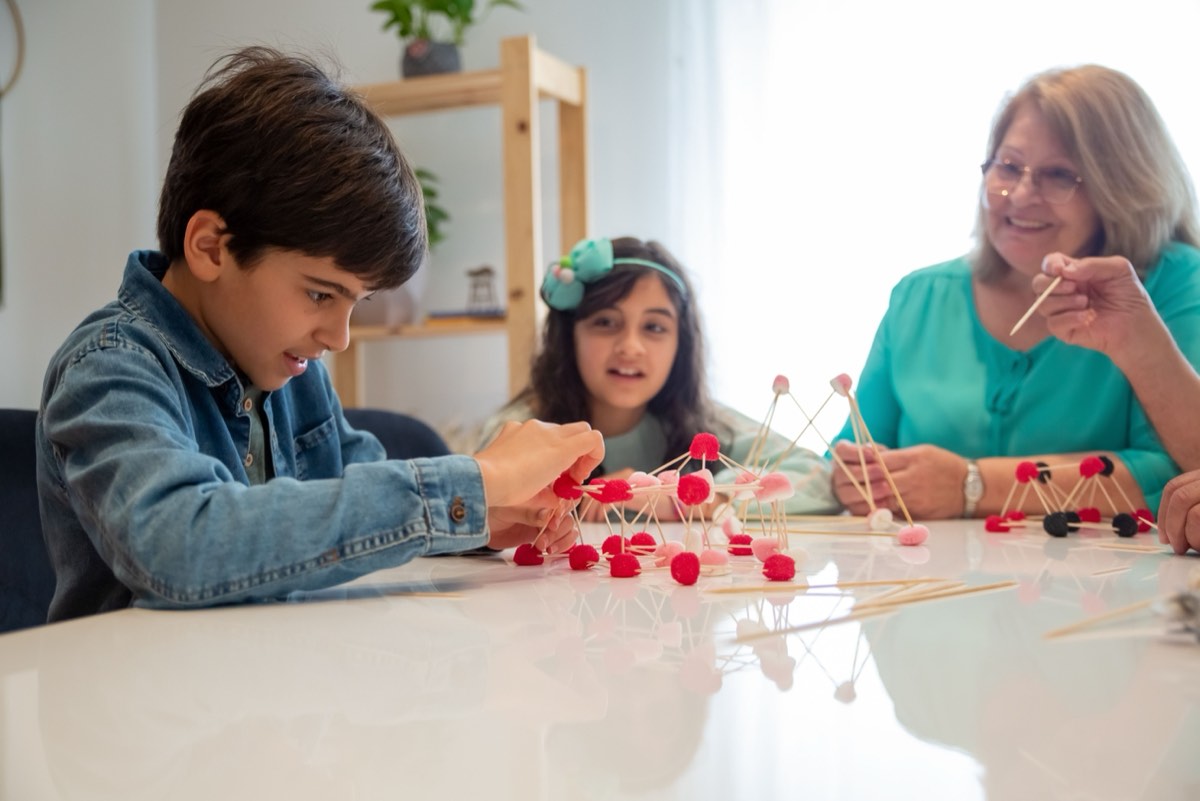
Get this ball over that wall without touching it.
On the table
- 1 cardboard tube
- 3 rubber bands
- Masking tape
- A wooden spoon
- String
- 2 paper cups
What three teams did
- 1.Built a ramp and rolled it. hit the wall, twice
- 2.Made a spoon catapult with the rubber bands. over the wall and into the next field
- 3.Rigged a string and swung it. worked, eventually, and nobody expected it
This one comes round most sessions. A counselor shows a couple of techniques first, then it is up to the teams. Everybody tests at the end, which is when the arguing about whose was cleverest starts.
Projects
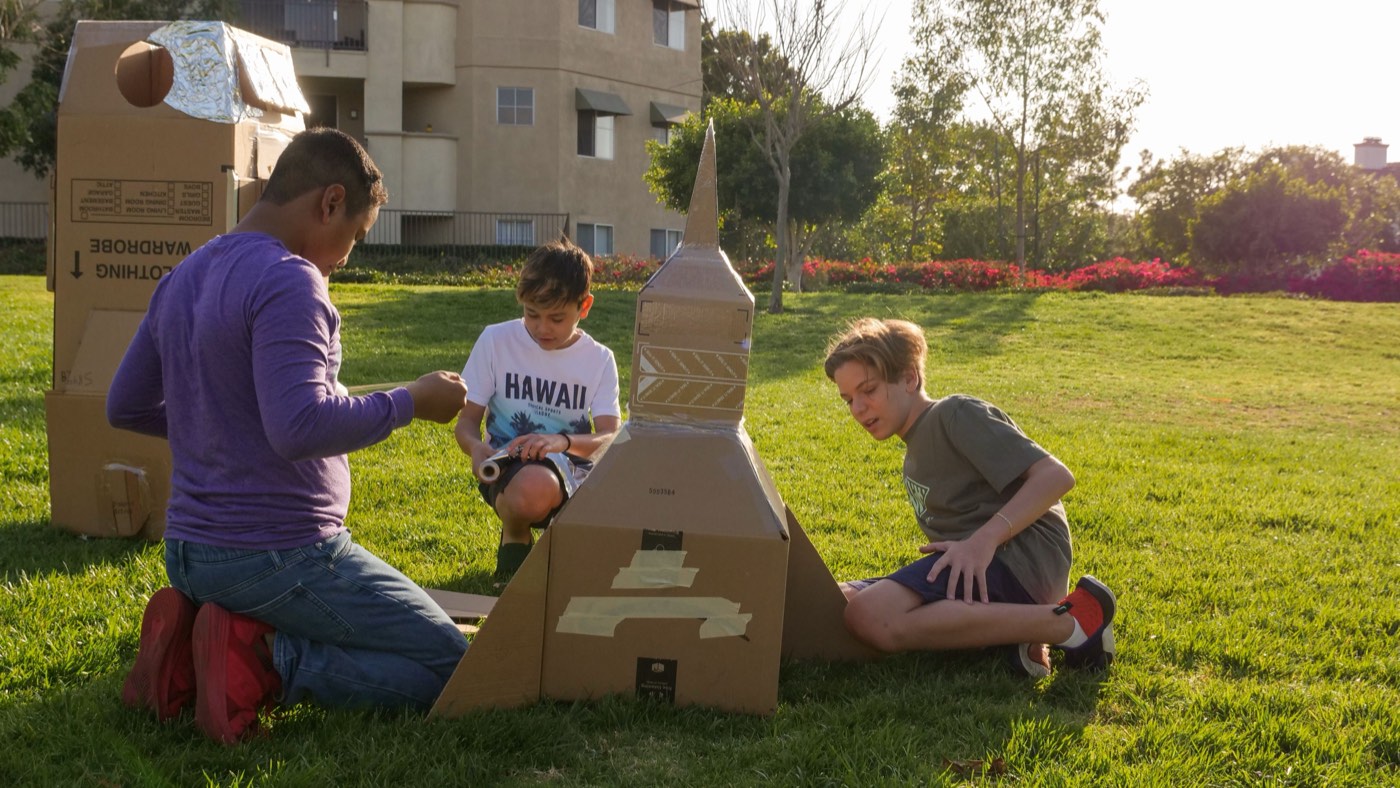
A longer build each camper has real choice over. They pick it early in the week, learn what they need to get it started, and keep improving it until Friday.
Campers have made catapults, marble runs that cross a whole wall, cardboard arcade games with working coin slots, gliders, parachutes for eggs, and one machine whose only job was to knock over a single cup. Deciding an idea is not working and choosing a better one is the skill, not a failure.
version three is usually the good one
Play
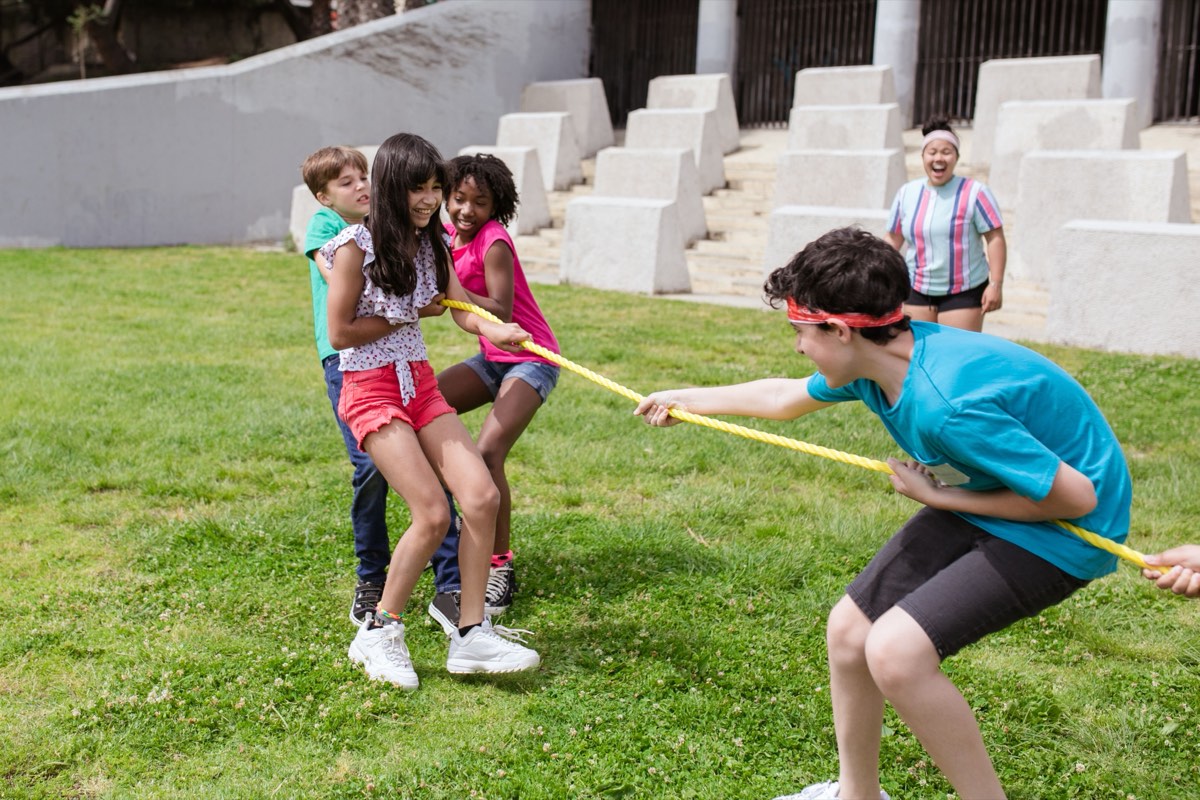
Capture the flag, parachute games, invented games with rules that change every ten minutes, and unstructured time with friends.
We are not apologetic about this. Play is where friendships get made and where kids practise negotiating, inventing and losing gracefully. It is also the answer most campers give when a parent asks what they did today, which we have made our peace with.
Monday to Friday
Every session follows a similar arc, and every session uses different challenges and different projects.
Monday
Tuesday
Wednesday
Thursday
Friday
How the balance changes with age
Campers are grouped by age all day, and the mix shifts underneath them. The 6 to 7 group builds in short stretches with chunky materials, frequent movement breaks and a counselor working alongside them, with every activity wrapped in a story. Challenges are structured enough that everybody gets somewhere.
By 8 to 10, projects start surviving overnight, which means living with yesterday’s decisions. Teams sort out their own roles and counselors shift from showing to asking. There are still field games in between, because nobody this age should sit still for a whole morning.
The 11 to 13 group works to tighter constraints with better materials and counselors who hang back unless asked. They keep a build notebook and explain their decisions on Friday. Social time is protected rather than squeezed out, because at this age it is the point.
Catapult Camps opens in summer 2027
Join the waitlist for first access to locations and registration. It costs nothing and commits you to nothing.
Join the summer 2027 waitlist